Deciphering the Signs: How to Detect Spoiled Olive Oil

Oct 15, 2024 By Amanda Phillips

"Decoding the Shelf Life of Olive Oil: A Guide to Detecting and Preserving Its Freshness"


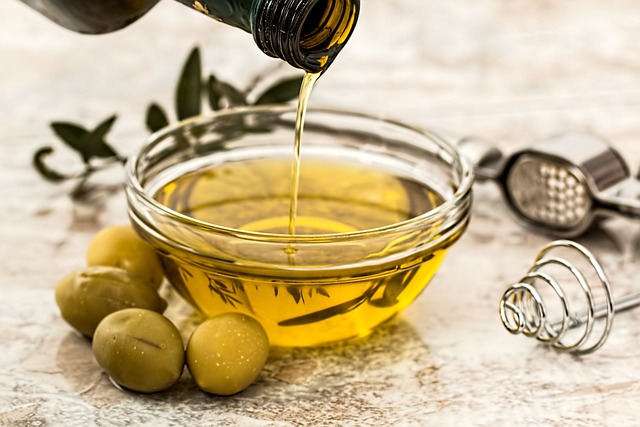
Olive oil, a cornerstone of many culinary creations, offers a spectrum of uses from enhancing salads to deep-frying vegetables. With a variety of qualities and types, selecting the optimal bottle is more nuanced than it appears. Once acquired, the temptation to hoard this liquid gold is understandable, whether it's a bulk purchase or a souvenir from a trip.


However, like all fine things, olive oil is not immortal. Its lifespan is typically 18 to 24 months when sealed, with extra virgin olive oil often having a shorter window of 12 to 18 months. The harvest date on the bottle is crucial, indicating the oil's freshness and shelf life.


Post-opening, your olive oil has a lifespan of about a month or two, a timeframe eased by its versatile applications. To discern if your oil has soured, a simple sniff is usually revealing; a rancid odor is a clear sign of spoilage. Some describe expired oil as having a waxy, crayon-like scent, a sensory cue that it's time to replace it.


Tasting is a definitive test, with bad olive oil exhibiting a sour taste that's unmistakable and undesirable in your cooking. While a small amount of rancid oil is unlikely to cause illness, it will taint the flavor of your dishes.


Proper storage is key to prolonging olive oil's life. Keep it sealed until use and avoid transferring it to another container unless immediate use is planned. Protect it from light and heat by storing it in a cool, dark place, preferably in its original, dark, non-plastic container. Dark glass or tin bottles are ideal, as plastic can accelerate spoilage.


As a general rule, refrain from refrigerating olive oil, as it can solidify and lose its flavor. With mindful storage, olive oil remains a valuable pantry staple, likely to be used frequently enough to avoid expiration concerns.


Recommend Posts
Food

Embracing the Flexitarian Lifestyle: A Guide to a Top-Rated Eating Plan

By Grace Cox/Oct 15, 2024

Embracing Flexitarianism: A Balanced Approach to a Plant-Based Lifestyle
Food

Blame Not on Parents: Study Indicates Genetics Play a Role in Picky Eating

By Laura Wilson/Oct 15, 2024

The challenge of persuading a child to eat their vegetables can be a universal parental struggle, but a new study offers some genetic insight into this behavior. Research from University College London, King’s College London, and the University of Leeds indicates that children's food preferences are largely influenced by their genes, not their upbringing or environment.
Food

Savory Cream in Your Morning Brew? The Global Appeal of Vietnam's Specialty Coffees

By Lily Simpson/Oct 15, 2024

Salt Coffee: Vietnam's Bitter-Sweet Secret Recipe Taking the World by Storm
Food

Peanut Butter vs. Almond Butter: Uncovering the Key Nutritional Difference

By Sarah Davis/Oct 15, 2024

Nut Butter Showdown: Peanut vs. Almond—Which is the Healthier Spread?
Food

Moderate Coffee Consumption Linked to Improved Heart Health Benefits

By Ryan Martin/Oct 15, 2024

cent study indicates that moderate coffee or tea consumption, equivalent to one to three cups daily, may significantly lower the risk of developing cardiometabolic multimorbidity (CM). Dr. Chaofu Ke, the lead author and an associate professor at Soochow University, explains that CM refers to the concurrent presence of at least two diseases such as heart disease, stroke, diabetes, and hypertension. The research, which analyzed data from over 360,000 participants in the UK Biobank, found that moderate caffeine intake was associated with a 48.1% reduced risk of new-onset CM.
Food

Urgent Recall: 12 Cinnamon Brands Found to Contain Unsafe Levels of Lead, Say Experts

By George Bailey/Oct 15, 2024

Consumer Reports Identifies Lead-Tainted Cinnamon Brands in Latest Safety Alert
Food

Adopting the Mediterranean Diet Could Lower Your Covid-19 Infection Risk, Research Indicates

By James Moore/Oct 15, 2024

A robust body of evidence is emerging that suggests a healthy diet, particularly the Mediterranean diet, could be a pivotal factor in influencing Covid-19 risk and severity. Researchers from Indonesia have delved into the relationship between this specific dietary pattern and the likelihood of Covid-19 infection, uncovering intriguing connections.
Food

The Transformation of Waffles: A Journey from Roman Delights to Global Favorites

By George Bailey/Oct 15, 2024

Waffles, those delightfully crisp and patterned treats, have a history that stretches back further than one might imagine. Believed to be among the oldest of desserts, waffles have evolved from a simple leavened batter cooked between two patterned plates into a global phenomenon, enjoyed with a variety of sweet or savory toppings.
Food

Billions Lack Essential Nutrients, Study Reveals

By John Smith/Oct 15, 2024

Global Study Reveals Billions Lack Essential Nutrients: The Dietary Gap and Its Impact
Food

Gender and Racial Disparities in Cognitive Health: How the MIND Diet Offers Significant Benefits

By Natalie Campbell/Oct 15, 2024

Decade-Long MIND Diet Adherence Linked to Reduced Cognitive Decline Risk, with Notable Benefits for Women and Black Individuals
Food

Repurpose Your Onion and Garlic Peels: Creative Upcycling Ideas

By Joshua Howard/Oct 15, 2024

Embrace the Hidden Treasures of Onion and Garlic Peels: Culinary and Healthful Uses
Food

Unlocking the Risks of Energy Drinks: A Medical Perspective on Safe Caffeine Intake

By Jessica Lee/Oct 15, 2024

The Hidden Risks of Energy Drinks: A Doctor's Guide to Safe Caffeine Consumption
Food

Global Study Discovers Link Between Red and Processed Meats and Type 2 Diabetes

By Ryan Martin/Oct 15, 2024

Rethinking Meat Intake: How Diet Affects Type 2 Diabetes Risk
Food

Rethinking 'Food as Fuel': Experts Advocate for a Holistic View of Nutrition

By William Miller/Oct 15, 2024

When you've had a hard day, it might seem like the worst thing you could do is reach for comforting foods like the chocolate chip cookies that remind you of your childhood. However, Jennifer Rollin, founder of The Eating Disorder Center in Rockville, Maryland, suggests that emotional eating is not necessarily unhealthy. It can be a normal part of a healthy relationship with food. While there is a point at which emotional eating can become detrimental, it's crucial to consider the nuances of eating behaviors rather than relying on strict rules and shame-based strategies, according to Robin Klein, a weight-inclusive eating disorder dietitian in Fort Washington, Pennsylvania.
Food

The Easy Dietary Change That Could Reduce Your Blood Pressure

By James Moore/Oct 15, 2024

Revamping Your Diet: How Increasing Fruit and Vegetable Intake Can Combat Hypertension and Boost Kidney Health
Food

Deciphering the Signs: How to Detect Spoiled Olive Oil

By Amanda Phillips/Oct 15, 2024

Decoding the Shelf Life of Olive Oil: A Guide to Detecting and Preserving Its Freshness
Food

Apple Butter: A Spread Without Butter That's Simply Scrumptious

By Joshua Howard/Oct 15, 2024

Embrace the Autumn Harvest: Crafting Irresistible Apple Butter
Food

Nutritious Choices: Delicious and Healthy Eating Options for Children

By Natalie Campbell/Oct 15, 2024

Nutritious Picks: Top 10 Health-Boosting Foods for Little Ones
Food

Top 10 Fiber-Rich Foods to Boost a Toddler's Diet 

By Elizabeth Taylor/Oct 15, 2024

The Fiber Fix for Toddlers: Top 10 Foods for Regularity and Health
Food

Lead and Cadmium Contamination Found in Organic and Regular Dark Chocolate, Study Reveals

By Daniel Scott/Oct 15, 2024

A recent study in the journal Frontiers in Nutrition has revealed concerning levels of lead and cadmium in dark chocolate and cocoa products, metals linked to serious health issues including cancer and developmental problems in children. Surprisingly, organic dark chocolates, despite being grown in cleaner conditions, were among the worst offenders. The eight-year analysis of 72 cocoa products showed that over 43% surpassed California's safe lead limits under Proposition 65, with 35% exceeding the cadmium threshold. While moderate indulgence poses little risk to most adults, the research highlights the potential dangers for vulnerable groups such as young children, pregnant women, and regular consumers. The chocolate industry stands by the safety of their products, asserting a commitment to food safety and quality assurance.