Fiber is a dietary superhero for toddlers, ensuring smooth digestion and promoting overall health. It's also crucial for keeping kids feeling full, which means fewer post-meal snack requests. Beyond its role in the digestive system, fiber helps regulate cholesterol levels and supports a healthy gut. Many fiber-rich foods are also packed with vitamins, minerals, and antioxidants. However, most children, like adults, don't consume enough of this essential nutrient.
The daily fiber requirements for children vary by age, with 1- to 3-year-olds needing between 14 and 19 grams daily, according to the 2020-2025 Dietary Guidelines for Americans. A simple rule of thumb is to add 10 to your child's age to estimate their daily fiber needs. For instance, a 6-year-old should aim for about 16 grams of fiber each day.
To help your little ones meet their fiber goals, consider the following kid-approved, high-fiber foods:
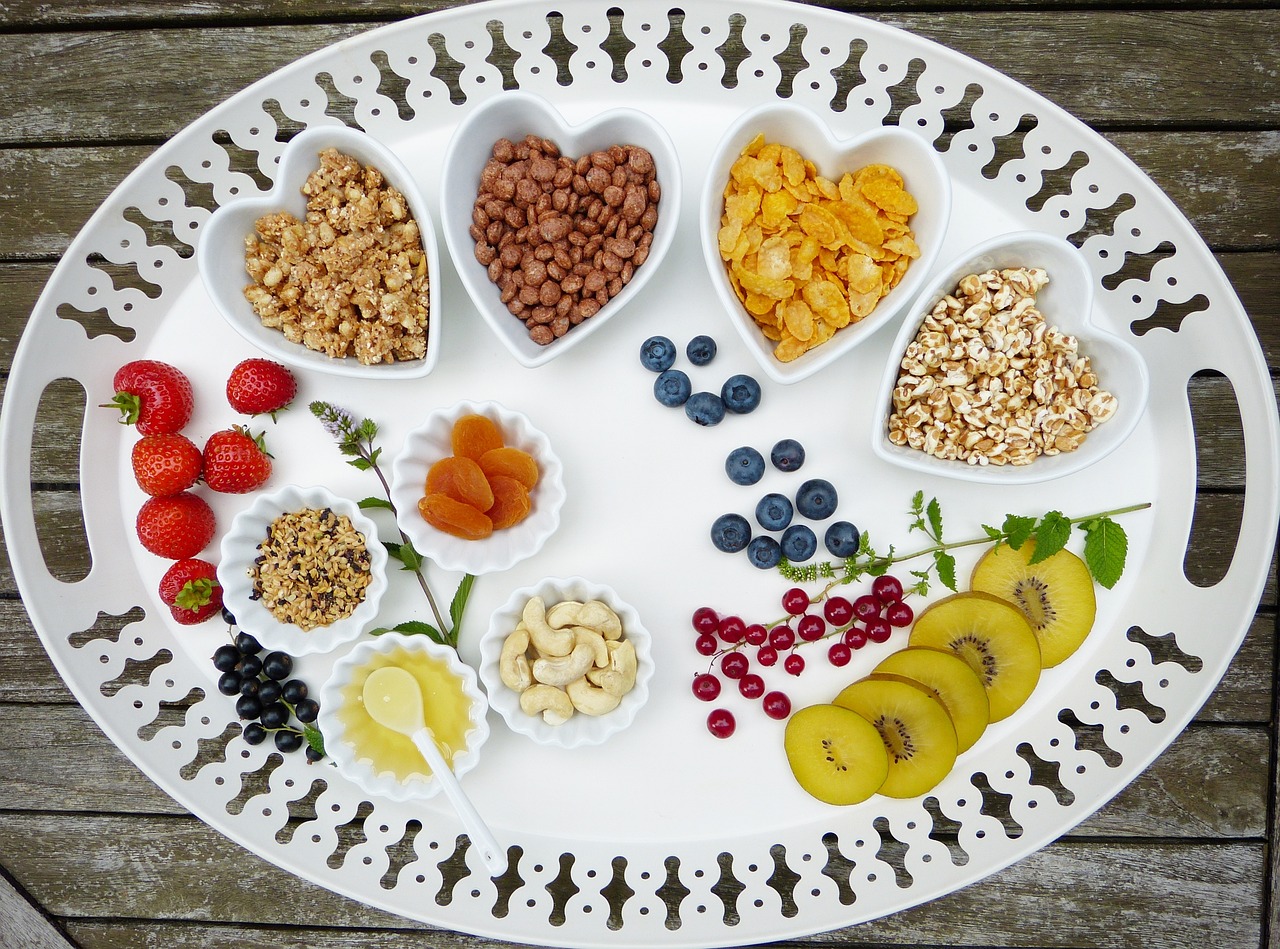
1. High-Fiber Cereals: A serving can offer 3 to 14 grams of fiber, making it a kid-friendly breakfast option.
2. Raspberries: These tiny fruits deliver a significant 8 grams of fiber per cup.
3. Peas: A cup of green peas provides 8 grams of fiber and is a versatile vegetable for various dishes.
4. Beans: Black beans and chickpeas offer 8 grams of fiber per half-cup, making them a versatile and healthy protein source.
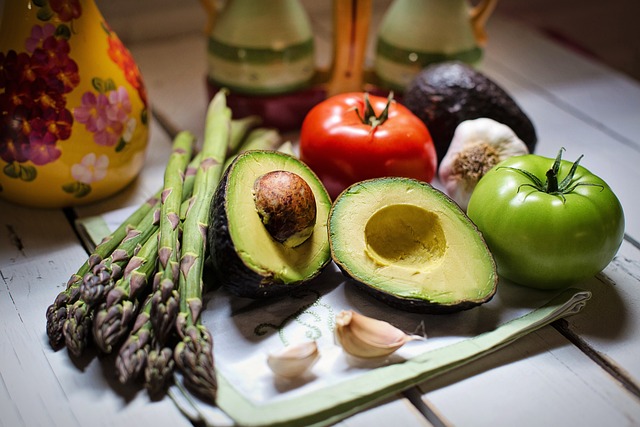
5. Avocado: This creamy fruit contains about 6 grams of fiber in a half-cup serving.
6. Almonds: A 1-ounce serving provides over 3 grams of fiber, making them a nutritious snack choice.
7. Mango: This sweet fruit offers nearly 3 grams of fiber per cup and is available year-round.
8. Quick-Cooking Whole Grains: Whole-wheat pasta and quinoa are quick-cooking options that provide about 5 grams of fiber per serving.
9. Dried Plums (Prunes): A 1/4-cup serving of these fruits provides 3 grams of fiber and is known for its digestive benefits.
10. Popcorn: A whole-grain snack with 1 gram of fiber per cup, popcorn is a low-calorie option for kids over 4 years old.
While increasing fiber intake is beneficial, too much fiber too quickly can lead to gastrointestinal discomfort. If your child is not used to a high-fiber diet, introduce fiber-rich foods gradually and ensure they stay hydrated. Remember, the principles of a high-fiber diet apply to adults too, so consider incorporating these foods into your own meals as well.

By Grace Cox/Oct 15, 2024

By Laura Wilson/Oct 15, 2024

By Lily Simpson/Oct 15, 2024

By Sarah Davis/Oct 15, 2024

By Ryan Martin/Oct 15, 2024
By George Bailey/Oct 15, 2024

By James Moore/Oct 15, 2024

By George Bailey/Oct 15, 2024

By John Smith/Oct 15, 2024
By Natalie Campbell/Oct 15, 2024
By Joshua Howard/Oct 15, 2024

By Jessica Lee/Oct 15, 2024
By Ryan Martin/Oct 15, 2024

By William Miller/Oct 15, 2024
By James Moore/Oct 15, 2024

By Amanda Phillips/Oct 15, 2024
By Joshua Howard/Oct 15, 2024

By Natalie Campbell/Oct 15, 2024

By Elizabeth Taylor/Oct 15, 2024

By Daniel Scott/Oct 15, 2024