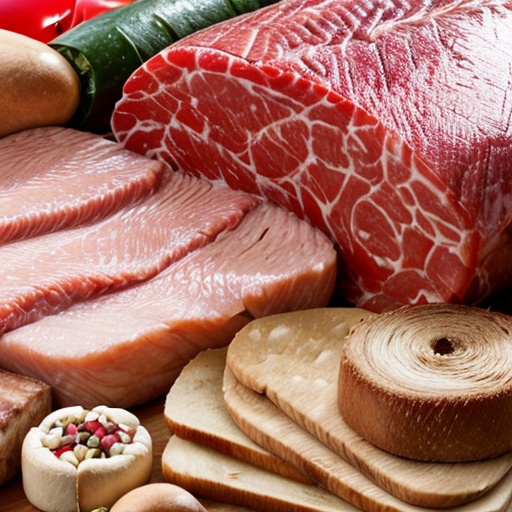
Recent research published in The Lancet Diabetes & Endocrinology has drawn a connection between the consumption of red and processed meats and an increased likelihood of developing type 2 diabetes. This comprehensive study, which synthesized data from 31 distinct cohorts, is the most extensive to date in highlighting this dietary risk factor.
Type 2 diabetes, characterized by persistently high blood sugar levels, is the most common form of diabetes and can result in severe health issues if not properly managed, such as cardiovascular diseases, stroke, and renal conditions.
Dr. Nita Forouhi from the University of Cambridge, the senior author of the study, confirmed the consistency of the findings across diverse populations and geographical regions. Although the study's observational nature does not establish causation, the correlation between meat consumption and diabetes risk is noteworthy. The researchers controlled for various factors like diet quality, physical activity levels, smoking, alcohol consumption, energy intake, and body mass index.
However, the study did not consider other diabetes risk factors such as family medical history, insulin resistance, and waist circumference, which could also influence the development of type 2 diabetes.
Despite these limitations, the study's results, in conjunction with current dietary guidelines, advocate for decreased meat intake. Dr. Hilda Mulrooney from London Metropolitan University suggests that the typical meat consumption often surpasses recommended levels, and it is advised to replace red and processed meats with alternatives like poultry and to increase the intake of plant-based protein sources like peas, beans, lentils, and tofu.
The study also points out that processed meats, such as ham, sausages, bacon, hot dogs, salami, and pepperoni, are typically high in salt and chemical additives, which can be detrimental to health.
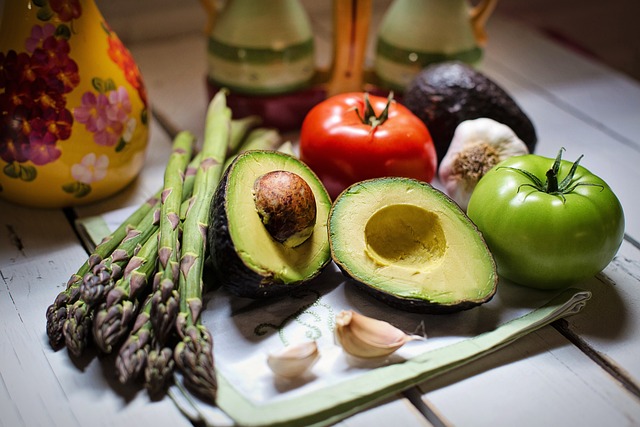
To reduce the risk, Dr. Forouhi recommends strategies like reducing the frequency of meat consumption, choosing smaller portions, or replacing them with other protein-rich foods. Alongside dietary adjustments, it is essential for those concerned about diabetes to maintain a diet rich in vegetables, fruits, nuts, and beans, and to engage in regular physical activity, as advised by Dr. Duane Mellor from the British Dietetic Association.
The research emphasizes the significance of a balanced diet and lifestyle choices in managing the risk of type 2 diabetes. While further investigation is needed to understand the specific effects of various meats and cooking methods, the current evidence suggests that a conscientious approach to meat consumption could contribute to better health outcomes.

By Grace Cox/Oct 15, 2024

By Laura Wilson/Oct 15, 2024

By Lily Simpson/Oct 15, 2024

By Sarah Davis/Oct 15, 2024

By Ryan Martin/Oct 15, 2024

By George Bailey/Oct 15, 2024

By James Moore/Oct 15, 2024

By George Bailey/Oct 15, 2024

By John Smith/Oct 15, 2024
By Natalie Campbell/Oct 15, 2024

By Joshua Howard/Oct 15, 2024

By Jessica Lee/Oct 15, 2024
By Ryan Martin/Oct 15, 2024

By William Miller/Oct 15, 2024
By James Moore/Oct 15, 2024

By Amanda Phillips/Oct 15, 2024

By Joshua Howard/Oct 15, 2024

By Natalie Campbell/Oct 15, 2024

By Elizabeth Taylor/Oct 15, 2024

By Daniel Scott/Oct 15, 2024