A recent study has uncovered a significant link between a decade-long commitment to the MIND diet and a reduced risk of cognitive decline, particularly among women and Black individuals. The Mediterranean-DASH Intervention for Neurodegenerative Delay (MIND) diet, a fusion of the Mediterranean diet and the Dietary Approaches to Stop Hypertension (DASH) diet, is tailored to counteract cognitive deterioration.
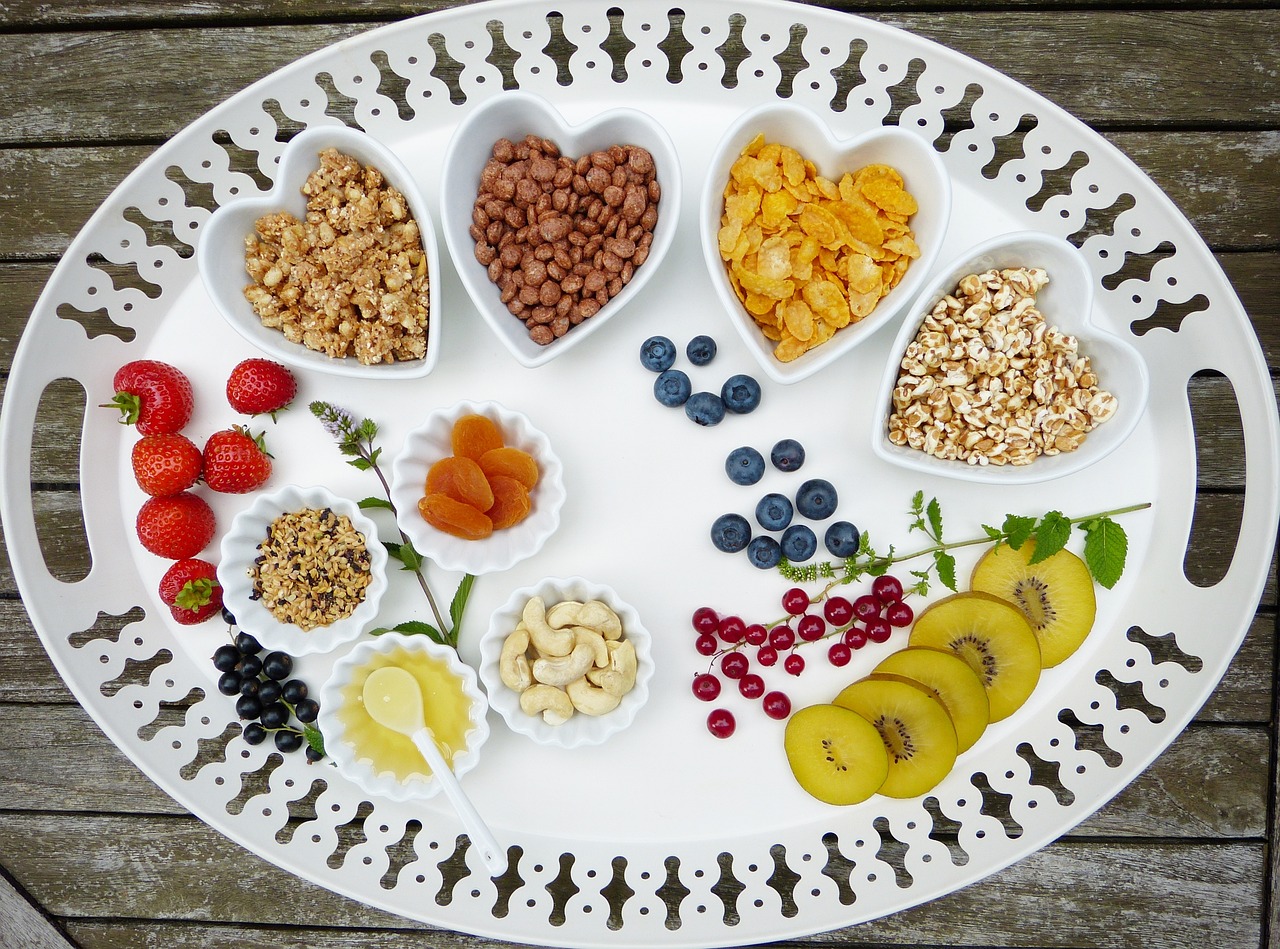
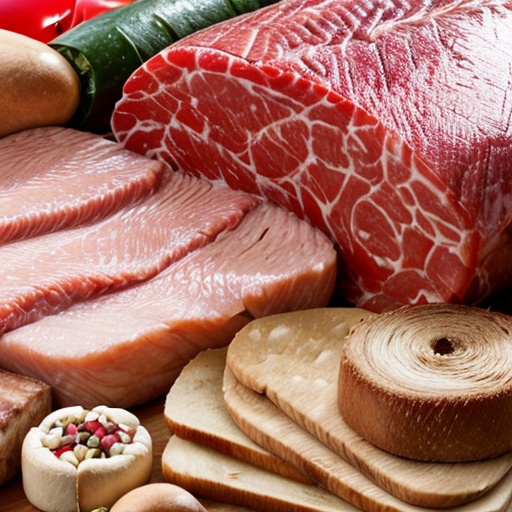
Dr. Russell Sawyer, the lead study author and an assistant professor at the University of Cincinnati Gardner Neuroscience Institute, highlights the MIND diet's emphasis on 10 brain-healthy food groups, including green leafy vegetables, nuts, berries, beans, whole grains, seafood, poultry, olive oil, and wine. Conversely, the diet restricts five unhealthy food groups known for their high levels of trans and saturated fats: red meats, butter, stick margarine, cheese, fried and fast foods, and pastries and sweets.
Dr. David Katz, a preventive and lifestyle medicine specialist and founder of the True Health Initiative, underscores the MIND diet's potential to reduce inflammation, support weight management, enhance microbiome health, improve insulin resistance, and decrease blood lipid levels. He suggests that these benefits are likely to extend to brain protection, although the study does not definitively prove this causal relationship.
The study, published in Neurology, is part of the ongoing REGARDS research, which investigates the higher incidence of stroke among Southern American and Black American populations. With a focus on adults aged 45 and older, the study provides evidence that close adherence to the MIND diet is associated with a 4% reduced likelihood of developing memory and thinking problems, a benefit that is even more pronounced in women, at 6%.
Interestingly, the study found no significant benefit for men, but it did observe a slower decline in cognitive function in those who followed the MIND diet, with an even stronger effect in Black participants compared to White participants. These findings point to a potential differential impact of the MIND diet that warrants further investigation.
Despite a 2023 randomized controlled clinical trial suggesting no significant difference between the MIND diet and a control diet in reducing cognitive decline, Dr. Sawyer argues that the longer-term follow-up in the current study provides more insight into the diet's long-term benefits. The limited representation of Black individuals in the clinical trial also affects the generalizability of its findings.
In conclusion, the study emphasizes the potential of the MIND diet to mitigate cognitive decline, with significant benefits for women and Black individuals, and calls for further research to understand these observed effects.

By Grace Cox/Oct 15, 2024

By Laura Wilson/Oct 15, 2024

By Lily Simpson/Oct 15, 2024

By Sarah Davis/Oct 15, 2024

By Ryan Martin/Oct 15, 2024

By George Bailey/Oct 15, 2024

By James Moore/Oct 15, 2024

By George Bailey/Oct 15, 2024

By John Smith/Oct 15, 2024
By Natalie Campbell/Oct 15, 2024

By Joshua Howard/Oct 15, 2024

By Jessica Lee/Oct 15, 2024
By Ryan Martin/Oct 15, 2024

By William Miller/Oct 15, 2024

By James Moore/Oct 15, 2024

By Amanda Phillips/Oct 15, 2024

By Joshua Howard/Oct 15, 2024

By Natalie Campbell/Oct 15, 2024

By Elizabeth Taylor/Oct 15, 2024

By Daniel Scott/Oct 15, 2024